

Defining Dysphagia
June is Dysphagia Awareness Month! The prefix, -dys means “difficulty,” and the suffix, -phagia means “to swallow;” therefore, dysphagia means difficulty swallowing foods and liquids. Although swallowing can be possible with dysphagia, it is often accompanied by extreme hardship and possible choking. Dysphagia is not a condition itself but rather a symptom of a plethora of other diseases, such as frontotemporal dementia, ALS, Parkinson’s disease, stroke, cancer, achalasia (i.e., esophagus nerve degeneration), or gastroesophageal reflux disease (GERD). Because of this, dysphagia symptoms tend to emerge later in life but can occur at any age. Dysphagia is also quite common, affecting one in six adults in the United States.
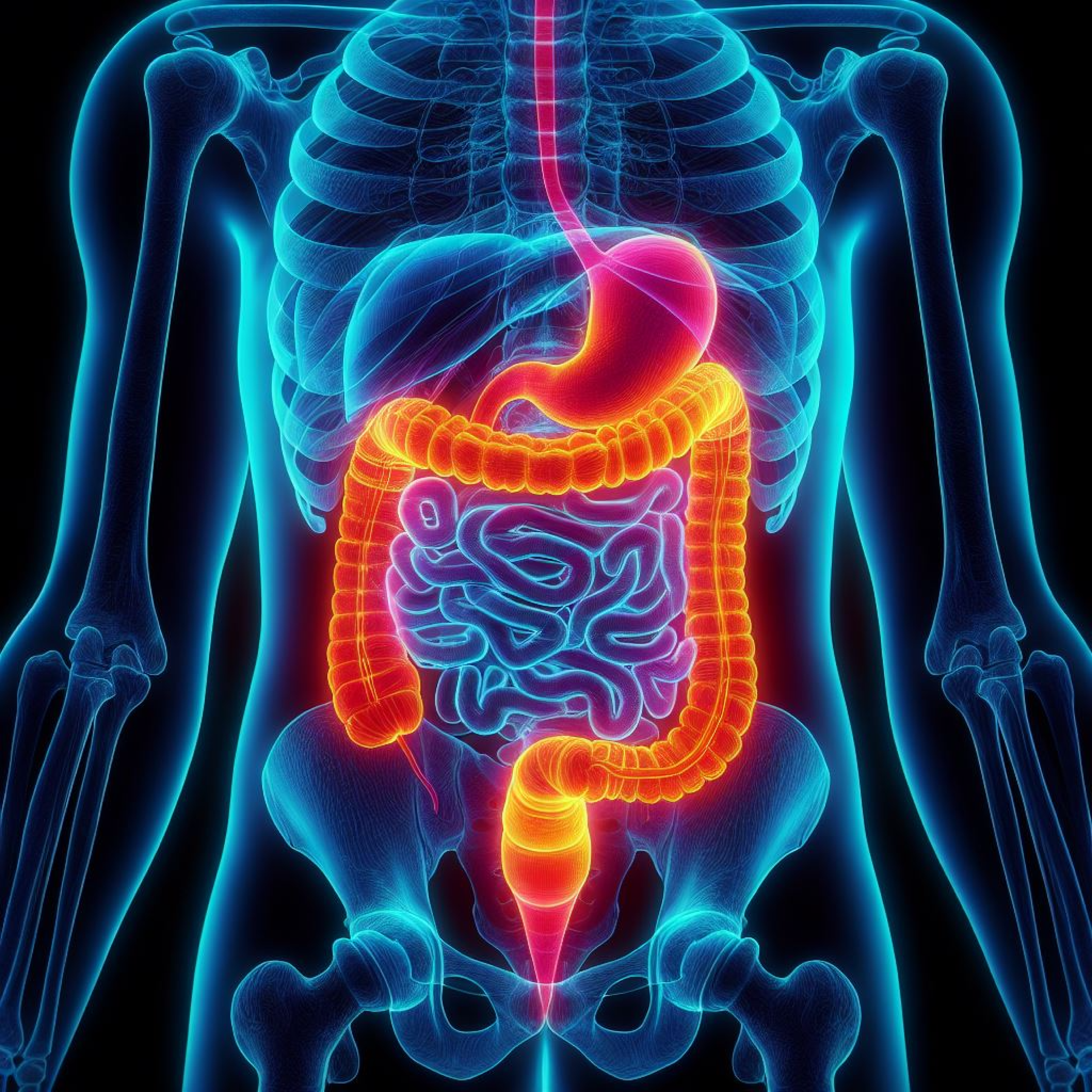
Causes and Related Conditions
Dysphagia is characterized by the following: hoarseness in the throat, not being able to swallow, pain or coughing/gagging while swallowing, drooling, regurgitating food, feeling food is stuck in the throat, heartburn, stomach acid buildup, and significant weight loss. Heartburn, food regurgitation, and voice hoarseness are especially common with patients who have GERD, as their cardiac sphincter aka lower esophageal sphincter (i.e., the muscular ring near the heart that separates the esophagus from the stomach) is weakened by the reuptake of bile or stomach acid. When this happens, a Schatzki’s ring forms, which is an extra tissue that narrows the lower part of the esophagus and makes it difficult to swallow. Simply put, it acts as a bottleneck around the lower esophagus. We are still unsure how the Schatzki’s ring forms, but scientists predict it is because of an overflow of stomach acid.
Peptic strictures are also another result from GERD that causes the lower esophagus to be narrowed. They are caused by the esophageal lining being irritated from constant stomach acid exposure, resulting in a buildup of thick scar tissue. Apart from Schatzki’s rings and peptic strictures, allergies may also cause dysphagia. One allergy called eosinophilic esophagitis (EoE) is the inflammation of the esophagus. This happens when eosinophils, which are white blood cells involved in allergic reactions, are present in the esophagus and build up, leading to inflammation. Lastly, if one is experiencing chest cancer and is undergoing chemotherapy and experiencing high amounts of radiation, damage from this can cause dysphagia as well.
Uncommon causes of dysphagia include paraesophageal hernia, which is when the stomach is located in the chest near the esophagus instead of in the abdomen. Esophageal or post-cricoid webbing, which is characterized by webbing in the upper esophagus, blocks food from passing through the throat and makes it difficult to swallow. Other rare reasons are consuming toxic substances, such as lye, or the esophagus being compressed by large blood vessels. Even though these are not common reasons, they are important to consider.
If not taken care of properly, dysphagia can pose serious health risks, especially if a person can no longer eat foods and is losing a considerable amount of weight. The condition can make it difficult to breathe if a person constantly feels as though they have something stuck in their throat.
Diagnostic Tests
There are a variety of methods to diagnose dysphagia:
- Upper Endoscopy (aka Esophagogastroduodenoscopy): the patient is sedated while an endoscope, which is a thin, flexible tube, is inserted to examine the upper gastrointestinal tract, being the esophagus, stomach, and duodenum (i.e., the first part of the small intestine). A tiny camera is attached to the endoscope, allowing the gastroenterologist (GI) doctor to see where they are moving the tube. GIs can collect a biopsy during this procedure by sticking a tube through the endoscope to collect tissue samples. Here, EoE, inflammation, a tumor, or the esophagus narrowing (i.e., detection of a Schatzki’s ring) can be determined.
- Esophagram (aka Barium Swallow Test): the patient will be asked to not consume anything for various hours until they enter the doctor’s office. There, they will eat barium, which is a metallic chemical element. The barium can come in different consistencies, from thin as water to thick as a milkshake. It coats the esophagus, allowing radiologists to observe the esophagus’s shape and coordination during and after swallowing barium with a fluoroscopic (i.e., real time) X-ray. It also lets them see if the barium is traveling to the trachea, which is our breathing tube connected to the lungs. Food and liquids should not pass here and are often blocked by the epiglottis. If substances do end up passing, this can be quite dangerous and causes us to choke.
- Videofluoroscopic Swallowing Study (aka Modified Barium Swallow): similar to a barium swallow test, except the mouth and pharynx (i.e., the windpipe) are examined. Here, aspiration is measured, along with difficulty swallowing.
- Esophageal Manometry: a thin catheter is inserted from the nose into the esophagus to measure its contraction muscles and pressure; it is performed as the patient takes sips of water.
Most of these procedures are quite quick and do not cause significant pain. However, it is best to consult with your medical professional if you are considering one of these tests to determine which one is best for you, as each is used to measure different parts of the gastrointestinal tract to diagnose various conditions.
Treatment Options
If you are experiencing dysphagia, there are several treatment options you can consider:
- Esophageal Dilation: during an endoscopy, the physician can stretch the esophagus, making it easier to swallow. This is typically performed in response to achalasia, peptic strictures, or Schatzki’s rings.
- Medication: although there is no cure for dysphagia, physicians can prescribe medications to inhibit the release of stomach acid, such as proton pump inhibitors (PPIs) or histamine-2 receptor antagonists (aka H2 blockers). PPIs work by blocking an enzyme that produces stomach acid, called the hydrogen-potassium ATPase pump, abbreviated as “proton pump.” H2 blockers function by blocking histamine receptors from binding to the stomach lining. PPIs are more powerful than H2 blockers, but take a while for their effects to kick in. H2 blockers have more of an immediate effect but can lose their impact over time. It is important to note that PPIs and H2 blockers do not remove all stomach acid; instead, they remove a certain amount to make it easier for people with dysphagia to eat and drink. Additionally, patients with EoE may be prescribed corticosteroids to reduce their esophageal inflammation.
- Diet Modifications: patients can work with their physicians to make alterations to their diet; these changes would be tailored to the patient’s needs and their experiences with consuming different foods, such as difficulty swallowing based on consistency or texture. Patients with EoE would especially benefit from this form of treatment, as they would discuss different foods and drinks that irritate their esophagus.
- Speech Therapy: patients could see a speech-language pathologist (SLP) to treat their dysphagia. During the therapy, patients would work with their SLP on different exercises to strengthen their throat and learn new techniques on how to swallow with less difficulty.
- Feeding Tube or Stent: if the patient is experiencing severe dysphagia and cannot swallow at all, a stent or feeding tube may be inserted. A stent would be inserted into the esophagus with the passage of puréed food entering; this can be a permanent solution if the patient is experiencing drastic health concerns, such as esophageal cancer. A feeding tube would be placed directly in the stomach or small intestine. Both options would allow the patient to get the necessary nutrients they need without swallowing.
- Surgery: in extreme cases of swallowing difficulties, surgery can serve as a remedy. There are several types of surgery that can be performed, depending on the cause of the dysphagia. Two types include laparoscopic Heller myotomy, which involves cutting the esophageal sphincter, and peroral endoscopic myotomy (POEM), which is when the physician creates an incision on the inside lining of the esophagus.
- Botox: physicians can insert Botox to relax the muscles in the cardiac sphincter, making it easier for food to pass through. Even though this is less invasive than surgery, patients may need to get repeated injections throughout their lifetime. More studies are needed on this form of treatment, however, to truly determine its effectiveness.
Significance
In honor of Dysphagia Awareness Month, I encourage you to take extra care of yourself and your loved ones experiencing dysphagia. Having dysphagia can take a huge toll on a person’s quality of life, making it difficult to enjoy the thrill of trying new foods and drinks. Despite its commonality, dysphagia is not discussed enough among the public and with medical professionals, many times because they assume it is a natural part of being older and are not aware of what it even is. For that reason, it is important that we educate ourselves on this symptom to create better treatment options and a better world for those who have difficulty swallowing.
Sources:
- Dysphagia – Symptoms and causes | Mayo Clinic
- Eosinophilic Esophagitis (EoE) | University of Michigan Health
- Schatzki Ring: Symptoms, Diagnosis & Treatment | Cleveland Clinic
- Dysphagia (Difficulty Swallowing) | University of Michigan Health
- Achalasia | University of Michigan Health
- Proton Pump Inhibitors (PPIs): What They Are & Side Effects | Cleveland Clinic
- H2 Blockers: What They Are, Conditions Treated & Side Effects | Cleveland Clinic
- Dysphagia – Diagnosis and treatment | Mayo Clinic
- Prevalence and Characteristics of Dysphagia Based on a Population-Based Survey | PMC