

When Hearing Changes Slowly
Hearing loss tied to aging usually doesn’t show up in a clear or sudden way. Most people adjust to it long before the issue is regarded as “hearing loss.” It might start with small adjustments, like struggling to follow conversations in crowded places or turning the television volume up higher than usual. Over time, those little accommodations gradually settle into daily life.
For many adults, this change begins sometime in midlife and progresses slowly over the years. Higher-pitched sounds are often affected first, which is part of why conversations can start sounding less distinct, particularly in places with background noise. In many cases, it is not that sound disappears entirely, but that speech loses some of its sharpness and clarity.
This gradual form of hearing decline is known as presbycusis, or age-related hearing loss. It typically affects both ears and develops over a long period of time rather than from one single event. While aging itself is a major factor, researchers generally believe the condition develops through an accumulation of influences that compound over a lifetime.
Changes Inside the Ear
One of the major causes of age-related hearing loss is simple wear and tear within the inner ear over time. Tiny sensory hair cells inside the ear are responsible for translating sound into electrical signals the brain can interpret. As people age, these cells can become damaged or gradually die off. Unlike many other cells in the body, these inner ear hair cells do not regenerate once lost, which makes the decline essentially permanent and cumulative.
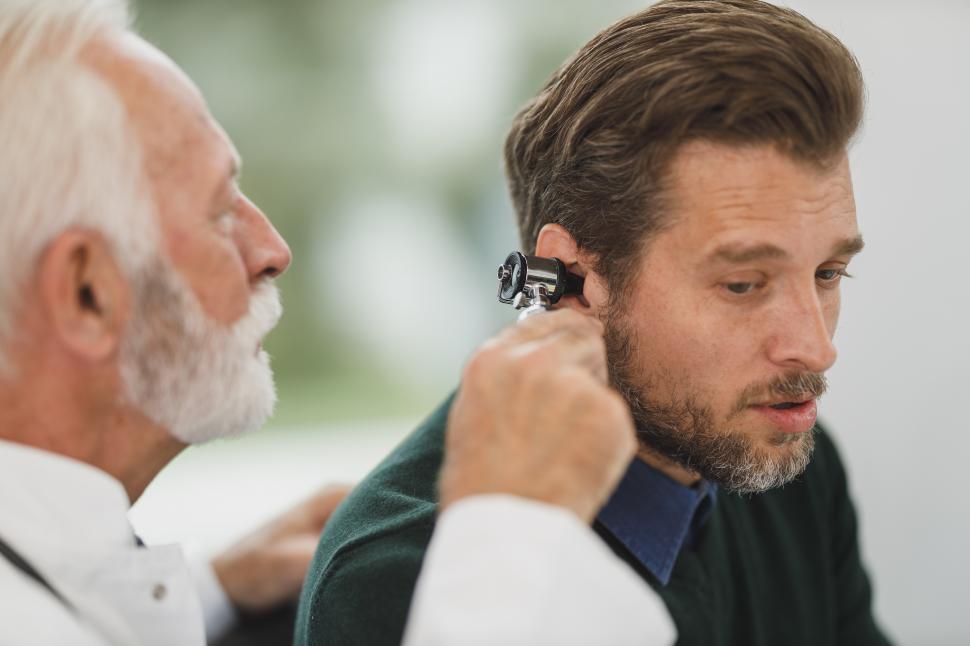
The auditory pathways connected to the brain can also shift with age. Even when sounds are still loud enough to be detected, the brain may have more difficulty processing them with clarity and precision. In a sense, the issue is not necessarily hearing sound but the capability to decode it. This is why many older adults can clearly hear that someone is speaking, yet still struggle to fully grasp the words being said, especially in noisy or chaotic environments.
Noise Exposure Over Time
Long-term exposure to loud noise is another major contributor. Damage does not always result from one isolated, acute exposure to intense sound. Instead, it often accumulates gradually over years of listening to music at high volume, working around machinery, using power tools, or spending time in consistently noisy environments without adequate hearing protection.
Experts often point out that modern habits may be making hearing problems appear earlier; earbuds and headphones used at high volume for long periods can place constant, low-level stress on the ears, especially over decades.
Health Conditions and Medications
Certain medical conditions linked to aging may also affect hearing. Research has shown connections between hearing loss and the following conditions:
- High blood pressure
- Diabetes
- Heart disease
- Poor circulation
These conditions can reduce healthy blood flow to the delicate structures of the inner ear.
Some medications may contribute as well. Certain antibiotics, chemotherapy drugs, and even prolonged use of high doses of medications such as aspirin can damage hearing-related cells. In some cases, these effects are temporary, and hearing may recover once the medication is adjusted or stopped. In other situations, the damage can be lasting, depending on the type of drug and the duration of exposure.
Genetics and Family History
Genetics also appear to play a subtle but important role. Some people retain relatively strong hearing well into older age, while others experience noticeable decline much earlier, even under similar life conditions. Researchers believe inherited traits may influence how resilient the ears are to aging itself, as well as how vulnerable they are to noise exposure or other environmental stressors.
Scientists have also studied changes in mitochondrial DNA, which naturally accumulates damage as the body ages. Because the inner ear requires a large amount of energy to function, it may be especially vulnerable to this kind of cellular wear over time.
More Than Just an Ear Problem
Hearing loss reaches far beyond the ears themselves. Communication gradually becomes increasingly difficult, and many older adults begin to pull back from conversations or social settings simply because keeping up can feel draining or, at times, discouraging. Over time, this withdrawal can lead to feelings of loneliness, frustration, or isolation.
There are also practical safety concerns that often get overlooked. Difficulty hearing alarms, emergency alerts, or even nearby traffic can introduce life-threatening risks into everyday life.
On the other hand, there has been meaningful progress in how hearing loss is managed. Hearing aids, assistive listening devices, and earlier hearing evaluations have made it possible for many people to remain active and independent for longer. While age-related hearing loss is typically not reversible, identifying it earlier rather than later can make a noticeable difference in how well someone adapts to it.
Protecting Hearing as We Age
Not every case of hearing loss can be prevented, but some habits may help reduce the severity over time:
- Lower the volume on headphones and earbuds
- Wear hearing protection around loud equipment or concerts
- Avoid prolonged exposure to loud noise whenever possible
- Manage chronic health conditions carefully
- Stay aware of early signs of hearing difficulty
Hearing changes are a normal part of aging for many adults, but they should not simply be ignored. Paying attention to hearing health can help people remain connected to conversations, relationships, and daily life as they grow older.
Sources: