

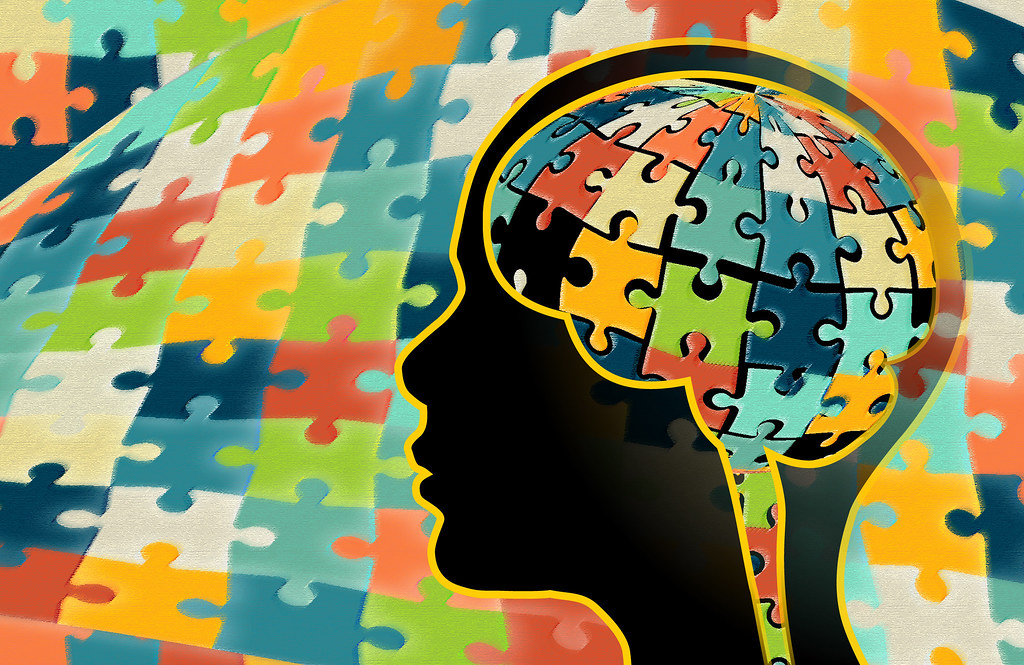
As those with diagnosed autism continue to age in the modern landscape, researchers are beginning to ask questions that, until recently, received very little attention. One area of growing interest is whether autism spectrum disorder (ASD) is connected to an increased risk of developing dementia later in life. The topic has gained attention over the past few years, but the research is still in its early stages. While some studies have found higher rates of dementia among autistic adults, experts caution that these findings should not be interpreted as proof that autism itself causes dementia.
Instead, the current evidence suggests a more complex picture; health conditions that are common among autistic adults, differences in healthcare access, and the natural challenges of diagnosing dementia in people with lifelong developmental differences may all contribute to what researchers are seeing.
What Recent Studies Have Found
One of the largest studies to examine this question was published in JAMA Network Open in 2025. Researchers analyzed health records from more than 114,000 autistic adults age 30 and older using Medicare and Medicaid data. Their findings showed that dementia diagnoses were considerably more common among autistic adults than in the general population.
Among autistic adults younger than 65, about 8% had already been diagnosed with dementia. In adults over age 64, the numbers were much higher, with roughly one-third receiving a dementia diagnosis. By comparison, dementia affects only a small percentage of adults in the general population before age 65.
These findings certainly attracted attention, but researchers were equally careful about what the study did not show. The results identify an association, not a direct cause-and-effect relationship. Many questions remain unanswered about why these differences exist.
Why Might the Risk Be Higher?
Researchers believe there to be several overlapping factors rather than a single explanation.
Many autistic adults are more likely to experience health conditions that are already known to increase dementia risk. These include cardiovascular disease, diabetes, depression, anxiety, and other chronic medical concerns. Since each of these conditions has independently been linked to cognitive decline, they may partly explain why dementia appears more common within the autistic population.
Healthcare access may also play an important role. Autistic adults often face barriers when seeking medical care, including difficulty finding providers familiar with autism across the lifespan, communication challenges during appointments, and fewer preventive health services. Over many years, these obstacles can contribute to poorer overall health, which may indirectly influence cognitive aging.
Researchers have also suggested that lifelong differences in education, employment opportunities, and social support may affect long-term health outcomes. These broader social factors are increasingly recognized as important influences on healthy aging in general, not just in autism.
Diagnosing Dementia Can Be Complicated
Another challenge is determining whether dementia is actually present.
Many characteristics associated with autism, such as differences in communication, memory strategies, or social interaction, have been present since childhood. Dementia, on the other hand, involves a decline from a person’s previous level of functioning. Distinguishing between lifelong autistic traits and new cognitive changes is not always straightforward.
This means dementia may sometimes be recognized later than it should be, while in other situations normal autistic behaviors could potentially be mistaken for signs of dementia. Researchers continue working to develop assessment tools that better account for these differences.
For families and healthcare providers, knowing a person’s usual abilities and noticing meaningful changes over time may be more informative than relying on a single evaluation.
What This Means for Families
Although the research is still developing, it highlights the importance of paying attention to cognitive health as autistic adults age.
Changes that deserve medical evaluation may include:
- Noticeable memory problems that are new or worsening
- Increased difficulty completing familiar daily activities
- Greater confusion or disorientation than usual
- Significant changes in personality or behavior
- Loss of skills that were previously well established
These symptoms do not automatically indicate dementia, but they should be discussed with a healthcare professional. Many medical conditions, medications, sleep disorders, or mental health concerns can also affect memory and thinking.
Looking Ahead
Researchers emphasize that much more work is needed before firm conclusions can be made. Most studies have focused on identifying patterns rather than explaining why those patterns exist. Future research will likely explore whether genetics, brain aging, physical health, and environmental factors all contribute in different ways.
There is also growing recognition that autistic adults have historically been underrepresented in aging research. As life expectancy continues to increase and more autistic individuals reach older adulthood, understanding their unique healthcare needs will become increasingly important.
At this point, the connection between autism and dementia should be viewed as an area of active investigation rather than established fact. What current research does make clear is that autistic adults deserve greater attention as they age, along with healthcare that recognizes their needs throughout every stage of life.
Sources:
- Autism and Dementia | dementiauk
- Autism/ASD and Dementia Resources | ntg
- Behaviors characteristic of Autism spectrum disorder in a geriatric cohort with mild cognitive impairment or early dementia | National Institute of Health NLM
- Editorial: Autism and Dementia and Alzheimer’s Disease | Autism Research Institute
- New study shows higher rates of dementia in autistic adults | autismspeaks