

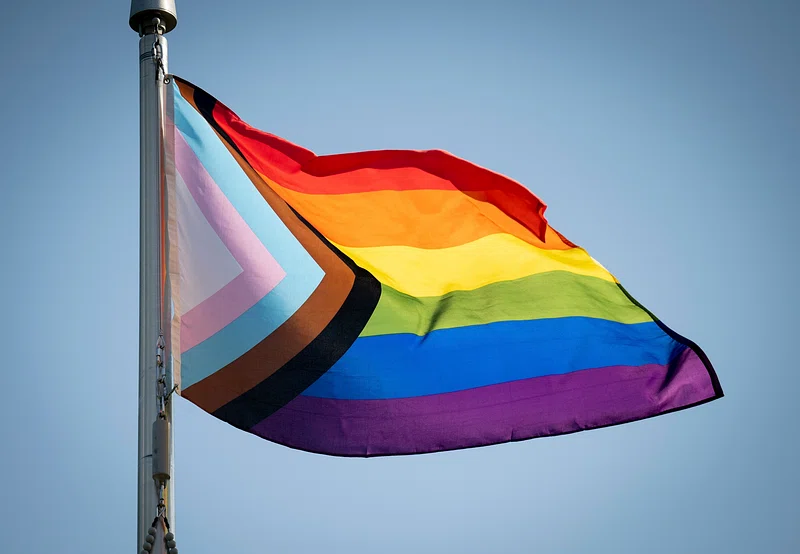
Remembering Stonewall
This past June marked the 57th anniversary of the Stonewall Uprising. On June 28, 1969, the New York City police raided Stonewall Inn, a popular gay bar in Greenwich Village where members of the LGBTQIA+ community came to seek refuge. At the time, homosexuality was still considered a criminal offense, so gay bars were typically operated without a liquor license — which led to frequent raids by the New York Police Department. On this particular night, while the NYPD was conducting yet another raid and arresting individuals wearing gender non-conforming clothing, the bar’s patrons began to resist. Eventually, the police called for reinforcements and, when their harassment was met with greater resistance, the officers barricaded themselves inside the bar. For the next five days, protests ensued and Stonewall became a national headline. A year later, a march was held to commemorate the anniversary of the event. This continued for decades until finally, almost 30 years later, President Bill Clinton declared June to be Pride Month.
While support for LGBTQIA+ rights and visibility has greatly increased, there are still many areas in which the community faces oppression and backlash — including in healthcare.
A lifetime of discrimination
It’s important to remember that older adults who are part of the LGBTQIA+ community grew up during a time when their identity was considered sinful, a mental illness, and, as seen above, criminal. Throughout their lifetime, 82% of LGBTQIA+ adults have been victimized at least once because of their sexual orientation. Fear of disappointing family members, providers failing to recognize spouses and partners, and overall social isolation are all associated with negative health outcomes. Individuals were also less likely to disclose their identity, making formal healthcare difficult to obtain when needed.
Health disparities in later life
Older individuals who are part of the LGBTQIA+ community experience higher rates of disability and mental illness. Because they have been systemically oppressed, depression, anxiety, and other mental health conditions are more common. Fear of not being accepted by healthcare providers also makes them less likely to seek help for medical or mental health issues. LGBTQIA+ individuals are less likely to have a social support system — spousal or familial — which can, in turn, contribute to less financial security. Older gay and bisexual men, in particular, are more likely to live alone, which is associated with a range of issues including poor mental and physical health and earlier cognitive decline. Among older LGBTQIA+ adults, 47% report a disability, 31% report depression, and 53% report loneliness.
A growing population
The aging population in the United States is only growing: in 2020, adults 55 and over accounted for 29.8% of the total population, and by 2030, more than five million older LGBTQIA+ individuals are expected to make up the U.S. population. So — what can we do to help ensure successful aging among this growing population?
Redefining “successful aging”
Successful aging is often defined as the ability of older people to manage the challenges of this stage of life in a satisfying way, with good functional, physical, and cognitive capacity and active involvement in social life. But successful aging looks different for members of the LGBTQIA+ community. Having dealt with a history of oppression, opposition, and even violence, this definition must be broadened to include mental health, social relationships, emotional well-being, resilience against stigma, and the unique challenges of aging as an LGBTQIA+ person.
Building toward better care
One way to promote successful aging is through consistent access to supportive healthcare — including filling research gaps that could help decrease stigma and increase visibility for the community. LGBTQIA+ people as a whole remain highly underresearched, and older LGBTQIA+ adults even more so. Creating supportive caregiving systems is also crucial, since these individuals may not have a familial support system to rely on, and their gender or sexual identity is often overlooked by healthcare professionals. Caregiving professionals who are not only welcoming but culturally informed can make a significant difference in long-term well-being.
Beyond Pride Month
With the conclusion of Pride Month in June 2026, it’s worth remembering that supporting LGBTQIA+ individuals extends beyond celebration. As the population of older LGBTQIA+ adults continues to grow, so does our responsibility to ensure they can age with dignity, security, and respect. The resilience of those who lived through decades of discrimination, criminalization, and social exclusion shouldn’t be met with continued barriers to healthcare and support. By investing in research, building more inclusive healthcare environments, and recognizing the unique experiences of the LGBTQIA+ community, we can help create a future where successful aging is attainable and normalized. Pride began as a protest demanding equality and human dignity — honoring that legacy means continuing to advocate for the well-being of LGBTQIA+ individuals at every stage of life.
Sources:
- The LGBTQI+ Community Reported High Rates of Discrimination in 2024 | Center for American Progress
- Resilience and Disparities among Lesbian, Gay, Bisexual, and Transgender Older Adults | PMC
- Mental Health of Older Adults by Sexual Minority Status: Evidence From the 2021 National Health Interview Survey | PubMed