

**Content warning: the following article will discuss suicide and suicidal ideation**

Every September, National Suicide Prevention Month shines a spotlight on breaking the stigma surrounding mental health and connecting people in crisis with life-saving resources. Yet the urgency of that work extends far beyond a single month on the calendar. Suicide remains a growing public health crisis in the United States. In 2024, the Centers for Disease Control and Prevention (CDC) attributed 48,824 deaths to suicide—and that figure captures only a fraction of the toll. That same year, 14.3 million U.S. adults seriously considered taking their own lives, 4.6 million made a suicide plan, and 2.2 million attempted suicide.
While no community is untouched, suicide risk is not distributed equally. Older adults—especially those navigating social isolation, cognitive decline, and physical disability—bear some of the highest mortality rates in the nation while facing steep systemic barriers to care.
Healthy Aging Challenges: Why Older Adults Face Elevated Risk
Age is deeply intertwined with suicide risk worldwide. While longer life expectancies in the United States are often celebrated as a triumph of modern medicine, demographic data reveals a sobering reality beneath the surface. In 2020, adults aged 65 and older comprised 17% of the U.S. population yet accounted for 22% of all suicide deaths. According to the CDC, older adults experience the highest suicide rate of any age group at 20.3 deaths per 100,000 people.
Two factors make suicide attempts in later life uniquely lethal:
- Deliberate planning and high-lethality means: Older adults frequently contend with pervasive ageism and tend to plan attempts more deliberately, turning to highly lethal methods such as firearms, poisoning, or suffocation.
- Lower survival and recovery rates: Roughly one in four older adults who attempt suicide die as a result, compared to one in 200 young adults. Even when an older adult survives an attempt, underlying chronic conditions and physical frailty make recovery far more difficult.
The Toll of Social Isolation and Loneliness
Social connection is vital to healthy aging, yet older adults experience some of the highest rates of isolation of any demographic. Research indicates that 24% of community-dwelling older adults are socially isolated and experience chronic loneliness—conditions closely linked to depression and other psychiatric disorders. Data from the 2018 RAND Health and Retirement Survey (HRS) shows that older adults experiencing depressive symptoms are 1.4 times more likely to live alone and three times more likely to feel lonely than peers without depressive symptoms.
Physical Decline, Cognitive Impairment, and Disability
Aging often brings compounding stressors: bereavement after the loss of a spouse or close friends, chronic pain, life-threatening illnesses, cognitive impairments such as dementia, shrinking social circles, and a loss of personal autonomy.
Because of age-related physiological decline, adults over 75 experience the highest rate of disability at 46%—compared to 24% of adults aged 65–74, 12% of those aged 35–64, and 8% of adults under 35. Among adults aged 75 and older, daily functional challenges include:
- Difficulty walking or climbing stairs (30%)
- Independent-living disabilities (22.4%)
- Hearing-related disabilities (20.9%)
- Cognitive disabilities (12.2%)
- Vision-related disabilities (8.7%)
The 2018 RAND-HRS data found that older adults unable to complete two or more essential activities of daily living were four times more likely to experience depressive symptoms than those without functional limitations. During the height of the COVID-19 pandemic, 66% of older adults with a disability reported high psychological distress, nearly double the 34% reported by older adults without a disability.
More broadly, a 2022 study found that adults with any disability were two to three times more likely to experience suicidal thoughts, two to four times more likely to make a suicide plan, and two to three times more likely to attempt suicide. The CDC similarly reports that frequent mental distress is 4.6 times higher among adults with disabilities. Despite these stark disparities, research examining the direct link between disability and suicide mortality remains limited—even though disabled adults routinely face discrimination, inaccessible environments, and heightened social isolation.
Financial Strain and Diagnostic Gaps in Geriatric Care
Economic insecurity further compounds suicide risk in later life. Untreated depression earlier in adulthood can erode long-term financial stability and strain family relationships, leaving individuals more vulnerable as they age. Later in life, stressors such as retirement shortfalls, caregiver costs, household bills, and mounting medical expenses weigh heavily on well-being, with lower income consistently tied to higher rates of depression.
Even when older adults experience severe depressive symptoms, their conditions frequently go unrecognized. Current diagnostic thresholds in the Diagnostic and Statistical Manual of Mental Disorders (DSM) often fail to capture how depression and substance use disorders manifest in later life. As a result, 64% of older adults receiving mental health care in 2021 did not receive a formal clinical diagnosis.
The healthcare system frequently misses critical opportunities to intervene:
- Missed clinical touchpoints: 45% of older adults who died by suicide had seen a physician within 30 days of their death, and 36% had visited an emergency department within the preceding year without receiving a mental health diagnosis.
- Systemic barriers to access: A severe shortage of trained geriatric mental health specialists—particularly providers who accept Medicare—alongside physical disabilities, out-of-pocket costs, and unreliable transportation leaves many older adults without support.
Why Geriatric Suicide Data Is Likely Underestimated
Researchers widely believe official statistics undercount suicide deaths among older adults. Determining intent can be difficult when an older adult intentionally overdoses or underdoses on vital medications, or when a fatal event appears accidental. Similarly, voluntarily stopping eating or drinking is rarely classified as suicide, even when the intent is to end one’s life. Finally, because prescription opioids are commonly used to manage chronic pain in older populations, fatal overdoses among seniors typically receive less forensic investigation than those among younger adults—obscuring the true scope of the crisis.
Understanding Risk Factors and Warning Signs
Across every generation, silence remains one of the greatest obstacles to prevention. Many people treat suicide as a taboo subject, fearing that bringing it up might “plant the idea” in someone’s mind—a myth that clinical research has thoroughly debunked. When families or communities avoid mental health conversations, individuals are left to suffer in silence, deepening their isolation.
Suicide rarely stems from a single cause. Instead, it typically emerges from an accumulation of chronic stressors, adverse life events, and untreated health conditions that foster hopelessness and learned helplessness—the belief that nothing can improve one’s circumstances.
Key Risk Factors
- Mental and physical health conditions: Depression is the diagnosis most commonly linked to suicide, yet marginalized populations often face steep barriers to early diagnosis and care. Bipolar disorder, schizophrenia, traumatic brain injuries, chronic pain, conduct disorders, and difficulties with emotional regulation also elevate risk.
- Social and environmental stressors: Access to lethal weapons or medications, discrimination, chronic harassment, unemployment, high-trauma occupations, severe burnout, relationship conflict, and major life transitions (such as divorce, rejection, or bereavement) all weigh heavily on mental health.
- Personal and family history: A prior suicide attempt, childhood abuse, generational trauma, or losing a loved one to suicide significantly increases an individual’s vulnerability.
Recognizing Warning Signs
Warning signs can be direct or subtle. Direct indicators include talking about wanting to die, expressing feelings of hopelessness, worthlessness, shame, or feeling like a burden to others, and making statements such as, “The world would be better off if I did not exist.”
Subtle behavioral and mood shifts include:
- Social withdrawal: Pulling away from friends, family, hobbies, or community activities.
- Changes in daily habits: Disruptions in sleep or appetite, persistent fatigue, or neglecting personal hygiene, self-care, and medical regimens.
- Reckless or unusual behavior: Increased alcohol or substance use, searching online for methods to self-harm, reckless driving, unusual purchases, or heightened irritability and aggression.
- End-of-life preparations: Updating a will, giving away prized possessions, or reaching out to loved ones to say goodbye.
- A sudden, unexplained mood lift: When a deeply depressed person abruptly appears calm, relieved, or cheerful, it can signal that they have decided to end their life and believe their pain will soon be over—making immediate check-ins critical.
How You Can Help Mitigate This Crisis
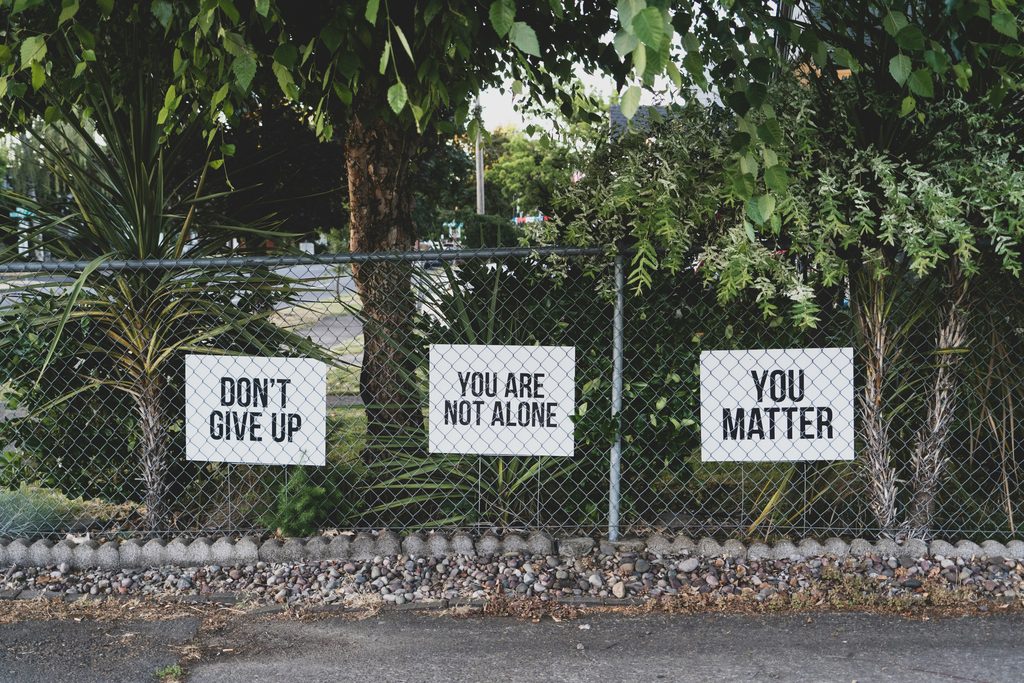
If you are struggling with your mental health, please know that your pain is valid and you do not have to carry it alone—regardless of your age, background, income, gender identity, or sexual orientation. Your presence matters to the people around you, often in ways you may never realize. Talking openly about mental health helps dismantle stigma and encourages early support before a crisis escalates.
How to Support Someone at Risk
If you suspect a loved one is considering suicide, do not avoid the conversation. Ask them directly if they are thinking about ending their life and whether they have a plan. Asking directly does not create risk; instead, it signals care, reduces isolation, and opens the door to honest dialogue.
Approach the conversation promptly in a calm, supportive setting—avoiding judgment, dismissal, or promises you cannot keep. Even if they deny having thoughts of suicide or decline to talk, continue checking in regularly and help connect them with a trusted healthcare professional. (The Substance Abuse and Mental Health Services Administration [SAMHSA] offers a searchable nationwide provider directory.)
If you are unsure how to start the conversation, several evidence-based programs offer practical guidance:
- Seize the Awkward: Provides approachable conversation starters and guidance on spotting warning signs.
- QPR (Question, Persuade, Refer) Gatekeeper Training: Teaches everyday people how to recognize suicide warning signs and intervene effectively.
- Mental Health First Aid: Equips participants with the five-step ALGEE action plan to support someone experiencing a mental health or substance use crisis.
Free Crisis Lines and Support Resources
Below are some free mental health resources and ways you can educate yourself on the matter:
- 988 Suicide & Crisis Lifeline: call or text 988 to be paired with a counselor 24/7/365 times out of the year
- 988 Lifeline Chat: click here to live chat with a crisis counselor
- Crisis Text Line: text HOME to 741741 to speak to a crisis counselor
- Disaster Distress Helpline: contact 1-800-985-5990 if you are experiencing emotional distress related to a natural or human-caused disaster. Those not in immediate distress or danger can email the helpline at [email protected]
- Mental Health America: offers a range of mental health resources and treatment options
- American Foundation for Suicide Prevention (AFSP): provides educational opportunities to the community and methods to assist those in need
- National Alliance on Mental Health (NAMI): includes suicide data, support groups, a mental health crisis guidebook (available in both English and Spanish), and helplines for teens, young adults, and caregivers
- Befrienders Worldwide: supplies emotional support and crisis helplines to those suffering in social isolation, depression, distress, and suicidal ideation on a global scale, meaning it is open to those who reside in and out of the US
- Comprehensive Suicide Prevention Program: a list of funded suicide prevention programs and approaches the CDC evaluates
- National Institute for Occupational Safety and Health (NIOSH): shares resources on how to prevent suicide in the workplace
- Counseling on Access to Lethal Means (CALM): educates families on how to reduce access to lethal means if they have a loved one who is at risk of harming themselves
- Suicide Prevention Resource for Action: a guidebook made by the CDC to provide more information on suicide and how to prevent it
- Suicidal Crisis Support (IASP): presents numerous hotlines to contact and offers suggestions on how to handle a situation if you or your loved one is in a crisis
- Free Programs for Disabled Adults: proposes different programs for adults with disabilities, including government programs, free education, job training, recreation and social activities, and local state programs
Please feel free to use as many or as few resources that fit your situation or lifestyle. Educate yourself on this complex but pervasive topic to become better supporter and advocate for yourself and your loved ones and help save a life.
Sources:
- Suicide Data and Statistics | Suicide Prevention | CDC
- Suicide Risk for Sexual Minorities in Middle and Older Age: Evidence From the National Survey on Drug Use and Health | PubMed
- Risk factors, protective factors, and warning signs | AFSP
- Warning Signs of Suicide | Suicide Prevention Resource Center
- Older adults at highest risk for suicide, yet have fewest resources | Harvard Gazette
- Suicide Rates Are High And Rising Among Older Adults In The US | Health Affairs
- Late-life suicide in an aging world | Nature Aging
- Suicide Data and Statistics | Suicide Prevention | CDC
- Loneliness and Isolation: Unseen Barriers for People with Disabilities | Merge
- By the numbers: Nearly half of the oldest Americans have disabilities | APA
- Health Disparities in Suicide | Suicide Prevention | CDC