

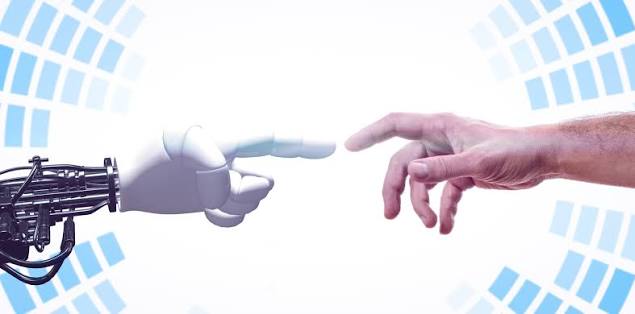
Since the turn of the twenty-first century, modern medicine incorporates cutting-edge technologies to enhance patient care. With the development of AI, technology has shown to provide care for the elder generations in various ways that are not only providing more precise diagnosis and monitoring, but it also frees caregivers to bond with their patients in a deeper and more meaningful way. Yet as we review While we discuss a list of the latest technological advances, it is helpful to understand the ethical questions they raise. Improvements could be made so that we can bridge the delicate balance between enhancing the limits of humanity and rather than replacing it.
Across several consultations with the elderly population, data have shown that good technology must seek to establish trust in three specific pillars: dignity, support, and connection.
These three pillars are often incorporated within the very design of the AI. Rather than waiting for users to initiate contact, the AI proactively checks in with them, providing logistical reminders such as medicinal schedules. With such strain eased from the caregivers’ shoulders, this encourages them to deepen social trust by engaging in activities such as physical exercise. This reinforces the feeling of being connected to the elderly to feel like they are tethered to a community, encouraging feelings of agency and empowerment. As a judge of their ethicality, the data and infrastructure surrounding their design must be drawn from ethical means. Data must be focused on improving preventive care and the latest scientific models.
A common factor for safely implementing AI companions into the medical fields is their focus on providing a better foundation for the logistical part of care, acting as the monitor that keeps watch when no one is around to help, as well as detecting symptoms of illnesses quickly. These implementations do not replace the human caregivers, but frees up their time specifically so that they could prioritize time spent deepening their connection to the elderly.
A prime example of AI assisting inTo look at examples of how AI has been modeled to help alongside us in the field of geriatric medicinal geriatric care is Sensi.AI, we shall look no further than at of Sensi AI, which utilizes an incorporated audio to quietly monitor the environment for signs of distress. Their camera also picks up on cognitive decline before the symptoms could fully escalate. Research on dementia suspects that this technology may benefit patients by being beneficial in detecting behavioral patterns of behavior earlier than doctors could do so.
Another helpful technology is known as CloudMind, which focuses on providing memory care through natural-sounding voice-based prompts. Older adults who spend four or more hours alone at home may benefit from this technology, which acts as a built-in companion that supports their social needs and initiates conversation like a real friend. Developed by Intuition Robotics, this technology could also serve as a helpful calendar when seniors need to be reminded to take medicine.
To avoid common pitfalls, creators of one might want to avoid whilst building an ethical AI model trying to build an AI model that is ethical must remember the purpose they serve: for the people. To ensure that the infrastructure is for the people rather than replaced, one must work hard to ensure that the help it provides are things that exceed the executional sides of the job rather than the emotional and relational sides, as we want to keep the human connections intact. So often, creators may feel compelled to prioritize being the first to invent something as the next new breakthrough rather than taking the time to make sure that their product means something good for the world. But since AI is here to stay, so too are the ethical questions it raises. It is time to shift our discussion around AI as a question of “how” rather than instead of the indecisive “if.”
Sources: