

Many of us are bursting with energy and enthusiasm in our younger years, often prioritizing clean diets, exercise, and fitness routines to look good and feel strong. While awareness and education around the significance of wellness, health and exercise has exponentially increased, there is still a gap in exploring and understanding how these practices work as we age. Limited awareness and common misconceptions about fitness often deter older adults from engaging in regular exercise.
By addressing these misconceptions and understanding the ecosystems of our bodies, we can help identify what kind of fitness routines to incorporate. Research has shown that exercising can improve mental health, emotional well-being, and regulate chemicals to reduce anxiety and improve mood.
Myth #1: Exercise Is Too Risky for Older Adults
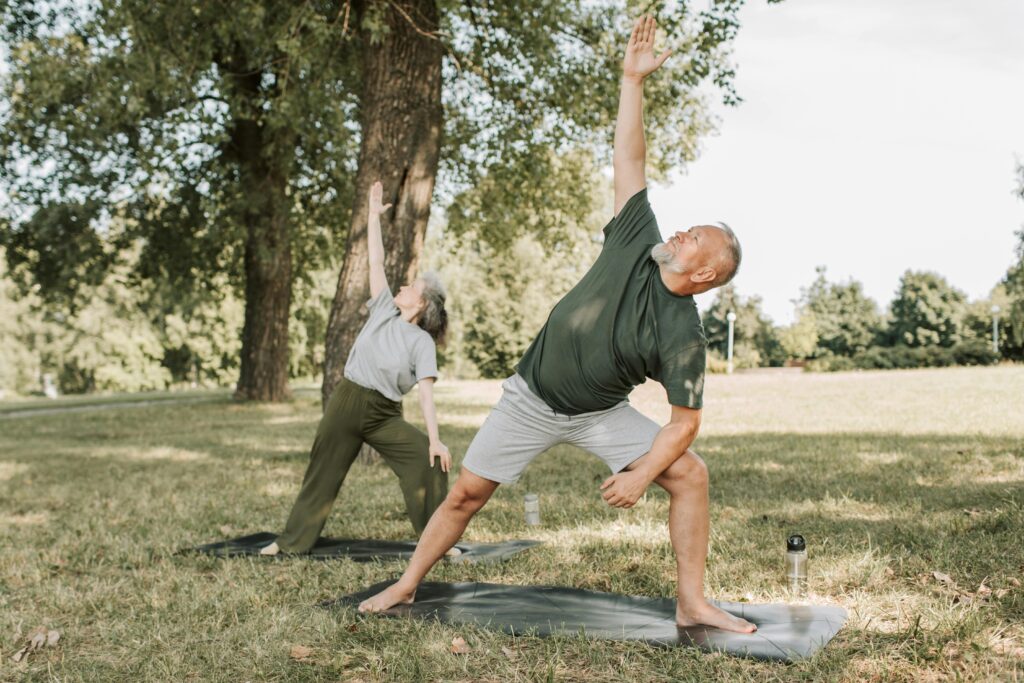
One of the most common fallacies about exercise among seniors is that it is too risky and can result in injuries, joint pain, and muscle inflammation. In reality, a thoughtfully designed fitness program for older adults can strengthen muscles, improve flexibility, and enhance balance, helping protect joints and support long-term mobility. Activities like walking, swimming, aerobics, and gentle yoga can improve flexibility, strength, and balance, reducing the risk of falls and other injuries. Regular physical activity also contributes to improved cardiovascular health and enhances overall stamina over time.
Research published in the British Journal of Sports Medicine found that structured physical exercise interventions can significantly improve cognitive function in older adults, regardless of their initial cognitive health. The study reported that different forms of exercise—including aerobic activities, resistance training, multicomponent exercise programs, and tai chi—were similarly effective in supporting brain health. The findings further suggest that exercise programs combining aerobic and resistance training, performed at moderate intensity for at least 45 minutes per session and practiced regularly throughout the week, can be particularly beneficial for cognitive function in adults over the age of 50.
Myth #2: Muscle Recovery gets slower in old age
Another common widespread misbelief that dissuades older adults from taking up any fitness routine is that muscle damage is frequent and recovery gets slower as we age. Contrary to this popular opinion, research conducted by Lancaster University shows that older adults experience less muscle soreness and function loss after exercise compared to younger individuals. The findings highlight that even with the natural physiological changes that come with aging, muscle resilience remains relatively stable, meaning older adults can safely engage in regular physical activity without an increased risk of prolonged weakness or loss of function.
The study reveals the importance of enhanced stretch training and recovery programs that can be incorporated based on physical requirements and strength of older adults. Interestingly, the key finding has been to indulge in exercises and activities that are enjoyable and can make staying active feel less like a chore and more like a rewarding part of the daily routine.
Myth #3: Walking alone is sufficient
Another myth about aging and fitness is that low-impact walking is good enough for seniors. This misconception often leads seniors to make choices for their exercise routines out of fear instead of understanding what works well for them and taking it up.
According to research by the Institute of Nutrition and Fitness Sciences, a good approach to mitigating sarcopenia, the loss of skeletal muscle mass with age, is combining cardiovascular, resistance and strength training. These exercises help in enhancing total muscle lean tissue which leads to greater endurance, improved strength, and better overall functional mobility in daily life.
Myth #4: If you have never exercised, it’s too late to make any difference in health
If exercise hasn’t been incorporated in the younger years, it won’t make much of a difference in health in older years. It is a very prevalent assumption that keeps most older individuals from engaging in active lifestyles. This couldn’t be further from the truth, as starting regular exercise can lead to meaningful improvements in overall mobility, strength, health, fitness, and well-being. Beyond physical health and fitness, exercise has profound positive impacts on cognitive function, reduces symptoms of anxiety and depression, and boosts overall mood. For many older adults, adopting an active lifestyle also instills a renewed sense of purpose and self-assurance.
According to the National Institute on Aging, older adults can benefit from exercise regardless of when they begin. The key is to start small and stay consistent. Gentle activities like walking, stretching, or light strength training can be effective starting points, gradually building confidence, capability and strength.
Myth #5: Daily chores provide enough exercise for older adults
The idea that daily chores are enough physical activity for older adults is a common myth, which often holds people back from trying more challenging and rewarding forms of exercise. Activities like cooking, cleaning, laundry, and running errands may foster movement with baseline levels of activity and away from sedentary lifestyles, but do not elevate the heart rate enough or consistently challenge muscles in ways that lead to substantial improvements in strength, endurance, balance, or cardiovascular health. Another key gap lies in maintaining muscle mass and strength. As people age, we organically experience a decline in muscle mass (sarcopenia). Routine daily activities typically don’t offer enough resistance to slow or counteract this decline.
Health organizations like the World Health Organization and the Centers for Disease Control and Prevention recommend that older adults aim for at least 150 minutes of moderate-intensity aerobic activity per week, along with muscle-strengthening activities on two or more days. These intentional forms of exercises can be planned, structured, and customly designed to fit each individual’s needs, greatly improving their physical fitness.
Debunking these myths is just the initial step in the larger journey, and the true change begins only when we learn to embrace our fears, apprehensions and break old patterns and behaviors that no longer serve to enhance our well-being. It means adapting, staying intentional and patient, and continuing to invest in our health and fitness on a daily basis. Whether it’s a short daily walk, light strength training, or simply trying something new, every bit of movement adds up.
The truth is, it’s never too late to build strength, improve balance and mobility, and feel more energized. By moving past these misconceptions, seniors can embrace a more energetic, active and fulfilling lifestyle. One small step at a time can bring significant shifts.
Sources:
- Debunking 7 Common Myths About Exercising Among Seniors
- Impact of physical exercise on health and social interaction in older adults: a meta-analysis
- Busting Eight Myths About Exercise and Aging
- Exercise interventions for cognitive function in adults older than 50: a systematic review with meta-analysis
- Older adults experience similar or even less muscle damage than young adults after exercise
- Less is Not More: Debunking Myth of Superficial Exercise Requirement for Senior Citizens
- Health Benefits of Exercise and Physical Activity