

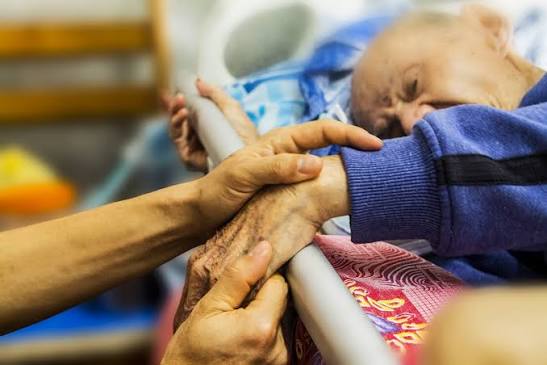
Ageism, defined by the Gerontological Society of America as the stereotypes, prejudice, and discrimination directed toward others or oneself based on age, is a widespread and systemic issue within healthcare. It is not merely an issue of bedside manner; it is a critical health crisis that leads to worsened outcomes, increased costs, and a fundamental erosion of dignity for older adults. Often operating beneath the surface of conscious intent, ageist practices permeate clinical settings—from the way providers communicate to the very structure of medical research—creating a system that routinely fails those it is meant to serve.
The Subtle and Not-So-Subtle Manifestations in Clinical Care
Ageism can manifest in overt and harmful ways, such as a physician dismissing a treatable condition as an unavoidable part of “just old age”. This leads to underdiagnosis and undertreatment of serious illnesses. Research shows that increasing age is a significant predictor of missed diagnoses, with diagnostic error rates exceeding 10% for common conditions like dementia, chronic obstructive pulmonary disease (COPD), or heart failure in older adults. Clinicians, often anchored by age-based assumptions, may offer fewer interventions—such as surgery for breast cancer or treatment for hypertension and depression—even when data suggests equal benefit for older patients.
Often, the bias is more subtle but equally damaging. One of the most common and least recognized forms is a patronizing communication pattern known as “elderspeak”: a slow, simplified, overly sweet tone similar to how one might speak to a child. This can include speaking loudly to a patient who is not hard of hearing, using terms of endearment like “honey,” or directing questions about the patient’s health to a family member in the room, effectively rendering the older adult invisible in their own care.
This condescension is not just annoying; it has physiological and psychological consequences. Being patronized by an authority figure triggers a stress response, raising heart rate and blood pressure, which is particularly dangerous for someone recovering from surgery or managing a complex condition. It can double the odds of a patient resisting care, leading to emotional distress and refusal of vital treatment. Over time, chronic exposure to such disrespectful communication contributes to decreased self-esteem, social withdrawal, and increased symptoms of depression and anxiety. A recent study confirmed that subtle age discrimination from a health authority significantly reduces an older patient’s trust and their intent to return for future visits, leading to avoidance of necessary care.
A Structural Flaw: Exclusion from the Evidence Base
Perhaps the most insidious form of ageism in healthcare is not what happens in the exam room, but what happens in the laboratory. Older adults are systematically excluded from the clinical trials that determine how diseases are treated. While adults aged 65 and older represent the majority of people with cancer, they are a minority in the studies that test cancer drugs. A landmark analysis found that this demographic accounted for two-thirds of patients with the four most common cancers, but only one-third of participants in clinical trials for those cancers. The gap widens significantly with age, with patients over 80 comprising about 15% of cancer cases but a meager 4% of trial populations used for FDA drug registration decisions.
This exclusion has deadly consequences. Clinicians are left to guess about the safety and effectiveness of new treatments for their older patients, as the data they rely on comes from younger, healthier populations. The result is that newly approved drugs often prove to be less well tolerated and more toxic for older adults than the trial results suggested. This structural ageism ensures that the standard of care for older patients is built on a foundation of incomplete and often misleading data.
The High Cost of Bias
The impact of ageism is not just a matter of individual suffering; it is a massive financial burden. Research shows that discrimination against older people, harmful age stereotypes, and negative perceptions around one’s own age cost the healthcare system an estimated $63 billion annually. This represents more than one in every seven dollars spent on the eight most expensive health conditions among adults aged 50 and older. These costs stem from the ways age-related bias increases disease prevalence and worsens outcomes, creating a cycle where undertreated conditions become more expensive to manage. At the individual level, the health consequences are equally profound. Negative beliefs about aging can accelerate cognitive decline, increase anxiety and depression, and shorten lifespans by up to seven and a half years.
A Path Forward: Awareness and Action
Addressing ageism requires a fundamental shift in how the healthcare system views and treats older adults. The evidence points to two approaches that consistently work: education and contact. Educational programs that challenge stereotypes and build awareness of implicit bias have been shown to significantly reduce ageist attitudes among healthcare workers. Successful programs have taken various forms, including structured lecture series with discussion, intergenerational interaction programs, redesigned curricula in medical and nursing schools, cognitive-behavioral approaches, and even the strategic use of educational films and personal narratives from older adults.
Initiatives like the Age-Friendly Health Systems movement, which centers care on the needs and desires of the older adult, are a vital counterbalance to ageism. This framework requires clinicians to begin each appointment by asking, “What matters to you?”, ensuring that the older adult is seen, heard, and actively involved in their own care decisions. The Gerontological Society of America promotes an education-first approach to addressing ageism by equipping healthcare students, professionals, educators, and system leaders with knowledge, tools, and strategies that center on age equity when delivering healthcare.
Implementing comprehensive ageism awareness training in healthcare curricula and fostering intergenerational contact are key strategies for creating a more equitable and respectful system for all. When we replace assumptions with actual knowledge about what aging does and does not involve and give healthcare workers meaningful exposure to older patients as individuals, stereotypes become harder to maintain, and better care becomes the standard.
Sources:
- Ageism in Healthcare | Gerontological Society of America (GSA)
- Ageism in healthcare: Definition, Examples, and Impact | ScienceInsights
- Ageism in health care is more common than you might think, and it can harm people | NPR
- Journal of General Internal Medicine | SpringerLink
- Reducing ageism in healthcare: A systematic review of educational interventions and methodological insights | National Library of Medicine