

When we think of dementia, we typically think of memory loss, such as forgetting names, misplacing keys, repeating questions. But for millions of families across the country, the more profound and painful challenges lie elsewhere in the slow, creeping erosion of judgment and decision-making that transforms loved ones into strangers who can no longer navigate the basic currents of daily life.
Recent research and caregiver resources paint a compelling picture of this hidden struggle, revealing how dementia fundamentally alters the brain’s ability to process risk, weigh consequences, and make sound choices long before memory failure becomes the dominant symptom.
The Brain Under Siege
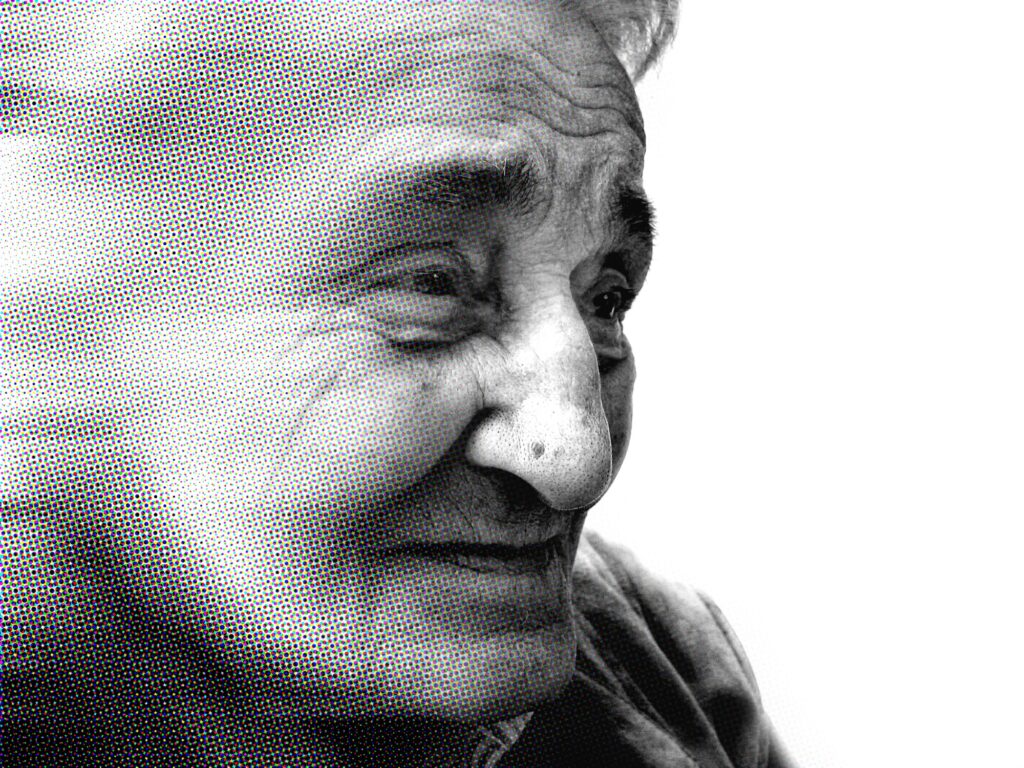
Dementia is not simply a forgetting disease; it changes the architecture of reasoning within one’s brain. Conditions such as Alzheimer’s and frontotemporal dementia directly damage the prefrontal cortex—the brain’s command center for judgment, planning, and impulse control.
The result is a kind of internal chaos. A person who once balanced a checkbook with precision may begin overpaying bills or falling victim to telephone scams. Someone who navigated city streets confidently may wander from home, unable to assess the danger. The ability to evaluate risk, to look both ways before crossing the street, or to lock doors at night will gradually disintegrate.
The Erratic Element
Perhaps most distressing for families is the emergence of erratic behavior. As dementia progresses and the prefrontal cortex worsens, individuals may make decisions that are out of character, sometimes ignoring risks or consequences that they previously would have carefully considered.
Because dementia compromises emotional regulation, individuals may make impulsive decisions based on fleeting feelings rather than rational thought. Frustration sparks an abrupt choice to leave the house. Anxiety triggers an uncharacteristic outburst. A moment of confusion leads to trusting a stranger with personal information. These behaviors are not willful obstinacy but symptoms of a brain struggling to interpret a world that no longer makes sense.
Dementia can lead to a heightened emotional response, making individuals more susceptible to making decisions based on fleeting emotions rather than rational thought. For instance, they might become easily frustrated or anxious and make impulsive choices without considering alternatives.
Decision-Making: Four Part Puzzle
Medical literature breaks down decision-making capacity into four distinct abilities: understanding information, communicating a choice, appreciating how that information applies to one’s own life, and reasoning through the options. This creates agonizing dilemmas for families. When does respecting a parent’s wish cross into enabling unsafe behavior? When does protecting a loved one become stripping them of their dignity?
Capacity to make one’s own decisions is fundamental to the autonomy of the individual. Capacity is a functional assessment made by a clinician to determine if a patient is capable of making a specific decision. Competency is a global assessment and legal determination made by a judge in court. Patients with dementia cannot be assumed to have impaired capacity. Even a patient with moderate or severe dementia, with obviously impaired capacity, may still be able to indicate a choice and show some understanding. The four key components of decision-making in a capacity evaluation include understanding, communicating a choice, appreciation, and reasoning.
In dementia, regions of the brain like the hippocampus and temporal lobe, which are important for memory and reasoning, are damaged or shrink over time. This damage disrupts how well a person can remember facts or past experiences that usually guide good decisions. For example, they might forget important details needed to weigh options properly or fail to recognize risks in everyday situations. They might also have trouble understanding complex information or anticipating consequences of their actions. This can lead them to make choices that seem unusual or unsafe from an outside perspective.
Another challenge is that dementia often causes confusion about time, place, or people around them. This confusion adds another layer of difficulty when trying to make sound judgments because their grasp on reality becomes less certain.
Caregivers
For families, the journey is a constant balancing act. Encourage independence while ensuring safety. Respect choices while preventing harm. Honor the person while managing the disease.
Professional resources suggest practical strategies: simplifying choices, establishing predictable routines, using reminders, and seeking professional capacity evaluations when decisions have serious consequences. In advanced cases, legal measures like guardianship or power of attorney may become necessary decisions that carry their own emotional weight.
Supporting a loved one with dementia through decision-making involves creating a safe environment and encouraging simplified choices. Establishing routines, using reminders, and enlisting the help of professionals can also reduce the impact of dementia on important decisions. As dementia progresses, guardianship or power of attorney may be necessary to ensure that important decisions are made in their best interest.
Mood changes like anxiety or depression are common too and can influence decision-making by affecting motivation and confidence levels. Because judgment declines gradually in dementia rather than suddenly disappearing, family members and caregivers often notice subtle shifts first such as poor financial decisions and susceptibility to scams, and then more obvious mistakes later on.
Supporting someone through these changes means recognizing their limitations without taking away all control over their lives immediately. Encouraging involvement in simple decisions helps maintain dignity while ensuring safety through guidance when needed.
Looking Beyond
As the population ages and dementia diagnoses rise, understanding these non-memory symptoms becomes increasingly urgent. Families navigating this terrain need more than medical treatment; they need education, support, and communities equipped to handle the complex intersection of cognition, behavior, and human dignity.
At its heart, the struggle with dementia is not just about remembering. It’s about remaining oneself, remaining capable, remaining connected to a world that suddenly feels foreign. And for the families who love them, it’s about learning to see the person still present within the confusion and to honor both their limitations and their enduring humanity.
Ultimately, understanding how dementia affects judgment highlights why patience and empathy are essential when helping loved ones navigate daily life challenges caused by this condition.
Sources:
- Memory Care You Can Depend On | Sunrise Senior Living
- Conversation Tips for Dementia Care | Robinson-Working Carégivers
- Understanding how dementia affects judgment and decision-making | HelpDementia.com
- Capacity issues and decision-making in dementia | National Library of Medicine National Center of Biotechnology Information
- How Dementia Can Cause Erratic Behavior and Impact Decision-Making | NursePartners, Inc