

When people think about aging, they often picture decline—shrinking social circles, more doctor’s appointments, and a growing sense of limitation. But research over the past two decades has introduced a different concept: the “Wellderly.”
Understanding the Wellderly
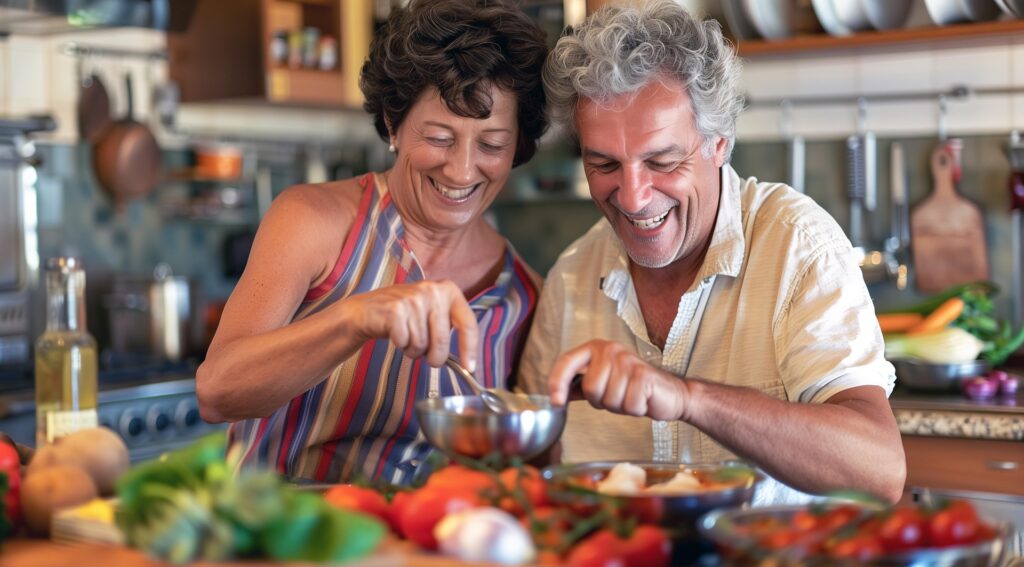
The term “Wellderly” refers to seniors, often 80 or older, who maintain strong cognitive function and overall health. The Healthy Elderly Active Longevity Study, commonly referred to as the Wellderly Study, began in 2007 and was designed to examine individuals who had largely avoided serious chronic conditions such as cancer, stroke, Alzheimer’s, Parkinson’s, diabetes, and heart disease. Participants were required to be entirely healthy or exhibit only mild medical conditions commonly associated with aging.
Researchers initially thought that this pattern might be strongly genetic, with protective genes explaining why some adults aged so well. While some genetic variants were found to be associated with lower risk of Alzheimer’s disease and coronary artery disease, the overall differences between Wellderly participants and the general older population were not substantial. Instead, the study highlighted that lifestyle patterns—including physical activity, social engagement, and education—played a substantial role in supporting long-term health.
Lifestyle and Healthy Aging
Lifestyle factors appear to matter as much as genetics in shaping healthy aging. Many of the Wellderly maintained regular physical activity and stayed socially engaged throughout their lives. They often had enriching daily routines and continued participating in meaningful activities, which helped them maintain cognitive function and overall well-being.
Cognitive Resilience and Protective Factors
While some genetic variants may offer modest protective benefits against conditions like Alzheimer’s or coronary disease, these factors alone do not account for the overall pattern of healthy aging observed.
Cognitive resilience in the Wellderly appears to arise from a combination of biological and behavioral factors. Beyond genetics, participation in mentally stimulating enrichment through work, hobbies, or learning seems to help maintain neural networks and memory function. Lifelong learning and continued engagement with complex tasks may strengthen the brain’s capacity to adapt to age-related changes, essentially acting as a buffer against decline. Physical health markers also play a role. Regular movement, balanced nutrition, and maintaining cardiovascular health all support oxygenation and nutrient delivery to the brain, which in turn positively affects memory, attention, and processing speed. Even mild chronic conditions, if well managed, do not necessarily impede cognitive performance in this population. The cumulative effect of these factors suggests that healthy aging is rarely the result of any single variable. Instead, it is an interplay of genetics, lifestyle choices, and the maintenance of mental and physical routines over time.
The Role of Community
Wellderly Day, celebrated annually in March, is an example of a community-based approach to promoting healthy aging. The holiday emphasizes health, happiness, and social connection, encouraging seniors to engage in activities that support both physical and emotional well-being. This might include laughter exercises, light physical activity, or shared social events. Participating in these communal experiences provides not just a break from routine but also a chance to foster new social bonds and strengthen existing ones. Beyond just a holiday, the principles behind Wellderly Day reflect how frequent, meaningful social engagement combined with maintaining an active lifestyle supports health in older age.
Small Steps Toward Wellderly Living
Research shows that healthy aging is achievable for many people, and not solely because of genetics. Simple practices such as regular movement, maintaining social connections, and structuring daily activities can have measurable benefits. Older adults may start by analyzing their daily routines and identifying ways to increase activity or social interaction, or by creating a personal plan to gradually incorporate more health-promoting habits. Reflection on these changes can reinforce motivation and highlight progress, even if the improvements are gradual.
With the rise of digital resources, it is easier than ever for older adults to access guidance on these practices. Online videos, blogs, and virtual classes can provide detailed instruction for exercises, mindfulness techniques, and ways to stay socially engaged. These resources allow seniors to explore activities safely and at their own pace, further supporting the principles that have been observed among the Wellderly.
Sources:
- Scientists search for the genes behind healthy aging | CBS News
- The ‘Wellderly’: An expert’s five tips for ageing more healthily | Irish Times
- Three ways for “wellderly” living | USC Lifestyle Redesign
- Wellderly – Healthy Elderly Active Longevity (HEAL) | NIAGADS
- Wellderly Day: Celebrating Healthy Aging and Happiness | Eras