

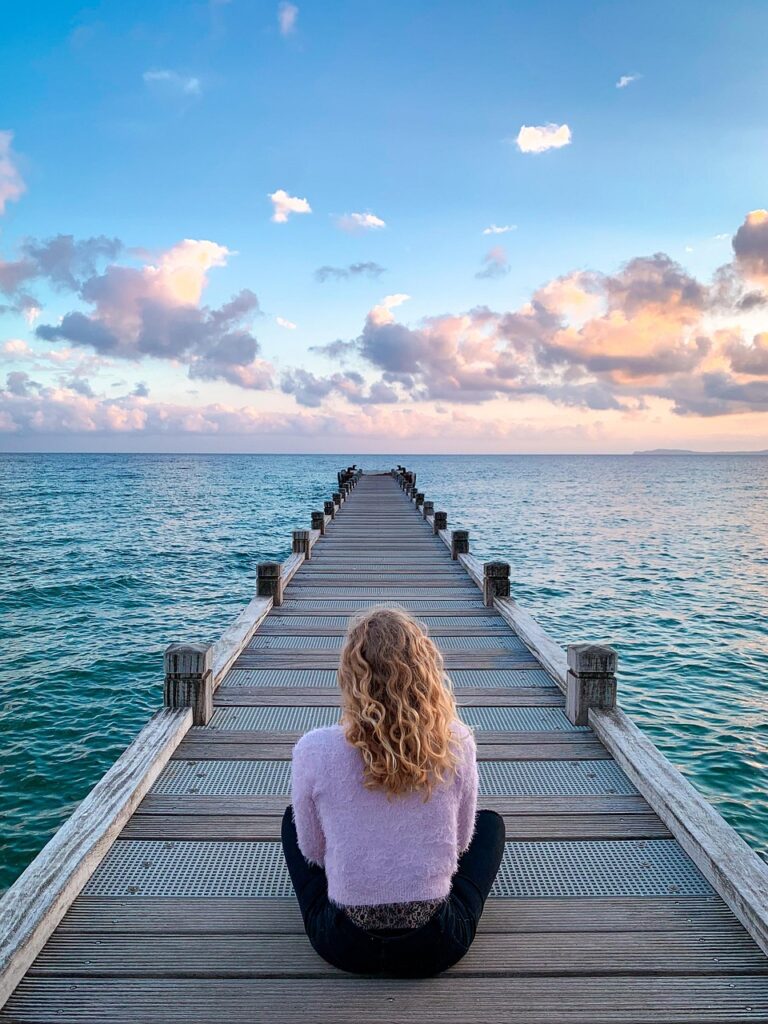
Every year on March 26, National Solitude Day invites us to step back from the noise of daily life and spend intentional time alone. In a world that celebrates constant connection through social media, busy schedules, and constant communication, the idea of choosing solitude can feel unusual. Yet there is an important difference between being alone by choice and feeling alone against your will. Understanding that difference helps us see why solitude can be deeply nourishing, while loneliness can quietly take a toll on our well-being.
Solitude is a state of being alone that feels peaceful, purposeful, or restorative. It is the quiet moment with a cup of coffee before the house wakes up. It is a walk in the park without headphones. It is reading, journaling, creating, or simply sitting with your thoughts. Solitude is not about shutting people out. It is about turning inward. It gives the mind space to breathe and the heart space to settle.
Loneliness, on the other hand, is not defined by physical isolation. A person can feel lonely in a crowded room or even within close relationships. Loneliness is the emotional experience of disconnection. It is the sense that no one truly understands you, sees you, or shares your inner world. While solitude often feels grounding, loneliness tends to feel heavy. It is less about how many people are around you and more about how connected you feel to them.
National Solitude Day highlights the positive side of being alone. The day encourages people to embrace time with themselves, not as a sign of social withdrawal, but as an act of self-care. When chosen intentionally, solitude allows us to reflect on our goals, values, and emotions. Without constant input from others, we can hear our own thoughts more clearly and discover ideas we have been ignoring or feelings we have not had time to process.
Solitude also supports creativity and problem-solving. Many people find that their best ideas appear during quiet moments. When the mind is not busy responding to notifications or conversations, it can wander and connect ideas in new ways. Artists, writers, and innovators throughout history have often sought out time alone to think deeply and create freely. Even for those who do not consider themselves creative, solitude can spark fresh perspectives.
Another benefit of solitude is emotional reset. Daily life can be overstimulating. Work demands, family responsibilities, and digital distractions can leave us feeling drained. Spending even a short amount of time alone can lower stress and restore mental clarity. It can be as simple as sitting outside for fifteen minutes or turning off your phone for an hour. Solitude reminds us that we are capable of being with ourselves comfortably.
However, it is important to recognize when solitude shifts into loneliness. The difference often lies in choice and emotional tone. If time alone feels refreshing, it is likely solitude. If it feels empty, painful, or unwanted, it may be loneliness. Loneliness often carries a longing for connection that is not being met. It can show up as sadness, irritability, or a sense of being overlooked.
The modern world makes this distinction more complicated. Social media creates the appearance of constant connection, yet it does not always provide meaningful interaction. Scrolling through posts can sometimes intensify feelings of loneliness, especially when it seems like everyone else is socializing or succeeding. National Solitude Day offers a reminder that stepping away from digital noise can actually strengthen our sense of self.
Celebrating solitude does not mean dismissing the importance of relationships. Human beings are social by nature. We thrive on connection, support, and shared experiences. The goal is balance. Solitude helps us build a strong relationship with ourselves. That inner stability can make our external relationships healthier and more genuine. When we are comfortable alone, we are less likely to depend on others to fill every emotional gap.
If you find yourself feeling lonely, the solution is not to force more isolation. Instead, consider small steps toward meaningful connection. This could mean reaching out to a friend, joining a community group, or simply having a deeper conversation with someone you trust. At the same time, learning to appreciate brief moments of solitude can reduce the fear of being alone.
On March 26, National Solitude Day encourages us to see time alone as an opportunity rather than a threat. It invites reflection, calm, and self-discovery. By understanding the fine line between solitude and loneliness, we can approach both experiences with awareness. Solitude can be a sanctuary where we reconnect with ourselves. Loneliness is a signal that we may need deeper connection. Recognizing the difference allows us to respond in ways that support our well-being.
Sources:
- Loneliness or Solitude? It depends on your point of view! | The Positive Psychology People
- Solitude and Loneliness: A Psychological Exploration | Professor RJ Starr
- Benefits Of National Solitude Day | Betterhelp
- 10 Benefits of Spending Time Alone for Mental Health | All Points North
- Associations between social media use and loneliness in a cross-national population: do motives for social media use matter? | NIH
- Solitude enhances your social-emotional health and well-being | Michigan State University
- 17 Therapist-Approved Tips for When You’re Feeling Lonely | WonderMind