

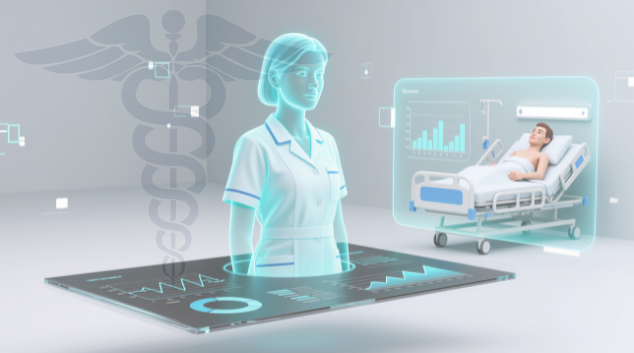
The integration of artificial intelligence (AI) into healthcare represents a fundamental shift in medical practice, moving the field from intuition-driven decisions to data-optimized precision. This transformation is not about replacing clinicians but augmenting their capabilities with powerful tools for diagnosis, treatment personalization, and operational efficiency.
From medical imaging to drug discovery, AI and machine learning (ML) are already demonstrating their ability to improve patient outcomes, streamline workflows, and reduce costs. This article examines the current applications, future potential, and critical challenges of this technological revolution.
Core Technologies: Machine Learning and Deep Learning
At its core, the AI revolution in medicine is powered by machine learning. Unlike traditional rule-based software, ML algorithms learn to recognize patterns from large datasets, including electronic health records (EHRs) and genomic sequences.
- Supervised Learning: This is the most common approach. Algorithms are trained on datasets—such as X-rays tagged by radiologists as “normal” or “pneumonia”—learning the subtle pixel patterns associated with the disease to screen new images with high accuracy.
- Deep Learning: A more complex subset of ML, deep learning uses artificial neural networks to process unstructured data like MRI scans, clinical notes, and ECG waveforms. These models can segment tumors with pixel-level precision or extract meaningful trends from a physician’s handwritten notes.
Key Application Areas Reshaping Patient Care
The practical applications of these technologies are vast, impacting nearly every medical specialty.
A. Diagnostic Imaging and Radiology
Radiology is at the forefront of AI adoption. AI algorithms are now FDA-cleared to assist in detecting a wide range of conditions:
- Diabetic Retinopathy: AI systems analyze retinal images to screen for damage to blood vessels, preventing vision loss through faster evaluation.
- Neurological Conditions: AI can rapidly analyze CT scans to identify strokes or bleeds, significantly reducing the “time to treatment” that is critical for recovery.
- Mammography Analysis: Algorithms act as a “second reader,” helping radiologists detect early-stage tumors that the human eye might miss.
B. Clinical Decision Support and Predictive Analytics
AI is moving beyond diagnostics and into proactive care management:
- Predicting Patient Deterioration: By analyzing real-time vital signs, AI can predict adverse events like sepsis or cardiac arrest hours before they become clinically apparent.
- Preventing Hospital Readmissions: AI identifies patients at high risk of return based on medical history and social determinants of health, enabling targeted follow-up care.
C. Personalized Medicine and Genomics
The “one-size-fits-all” model of treatment is becoming obsolete:
- Oncology: AI matches a patient’s unique genomic profile to targeted therapies with a higher probability of success.
- Drug Discovery: AI accelerates the development process by predicting how new molecules will interact with biological targets.
D. Patient Monitoring and Wearables
AI makes data from consumer wearables actionable:
- Cardiac Monitoring: Smartwatches use AI to detect Atrial Fibrillation (AFib) and alert users to seek medical care.
- Chronic Disease Management: AI-powered apps help patients with diabetes manage glucose levels by analyzing diet and activity patterns.
Significant Hurdles and Ethical Considerations
Despite the promise, widespread adoption faces substantial challenges:
- Data Quality and Bias: If training data lacks diversity, algorithms may be less accurate for underrepresented groups. Ensuring high-quality, diverse datasets is essential.
- The “Black Box” Problem: Clinicians are rightly hesitant to trust recommendations they don’t understand. Explainable AI (XAI) is a growing field dedicated to making these models more transparent.
- Data Privacy: The use of sensitive patient data requires robust cybersecurity and clear policies on anonymization to maintain public trust.
The Future: AI with Clinicians
The future of healthcare lies in collaboration. The most effective model is one where AI handles data-dense, repetitive analytical tasks, while clinicians provide the essential human elements of empathy, complex problem-solving, and patient communication. By reducing administrative burdens and enhancing diagnostic precision, AI has the potential to free up healthcare professionals to focus on the human aspect of care—creating a system that is more proactive, personalized, and effective for patients worldwide.
Sources:
- Devices and Machinery in the Medical Field | Clemson University
- Artificial Intelligence-Enabled Medical Devices | U.S Food and Drug Administration
- How Technology Is Shaping the Future of Medical Care | International Medical Aid
- AI in Healthcare | foresee Medical
- Artificial intelligence in healthcare: transforming the practice of medicine | National Library of Medicine National Center of Biotechnology Information